
Introduction: An Ancient Practice for a Modern World
In an age defined by constant motion, endless notifications, and an insatiable demand for productivity, the timeless practice of meditation stands as a quiet rebellion. Once reserved for monks in secluded monasteries or mystics seeking enlightenment under ancient trees, meditation today has stepped gracefully into living rooms, corporate offices, and bustling city parks. It is more than a wellness trend; it is a return to something essential—a reminder that beneath the noise of modern life lies a place of profound stillness and clarity.
What Is Meditation? Beyond Sitting Still
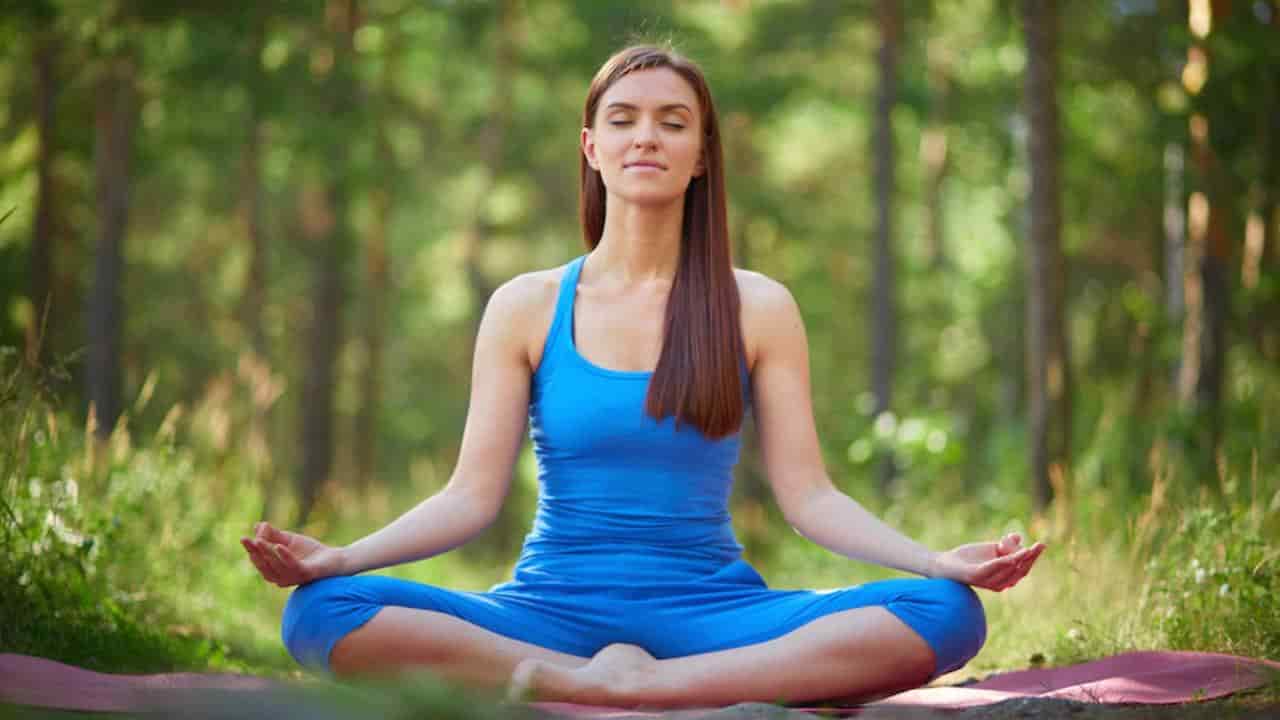
To many, meditation conjures an image of a cross-legged figure with closed eyes, perhaps chanting softly or sitting in silence. Yet meditation is far more expansive than any single posture or tradition. At its essence, it is the practice of training the mind—redirecting thoughts, cultivating awareness, and fostering a sense of presence.
Across cultures and centuries, countless forms of meditation have emerged, each offering unique pathways inward. Some focus on the breath, others on a mantra, a visual image, or even the mindful observation of thoughts and sensations. Though techniques vary, the heart of meditation is constant: an invitation to pause, to observe, and to reconnect with the present moment.
A Brief Journey Through History
Meditation’s roots reach deep into human civilization. Archaeological evidence suggests that ancient cultures, from the Indus Valley to early Chinese dynasties, incorporated meditative practices into daily life and spiritual rituals. Hindu traditions gifted the world with dhyana, Buddhist teachings refined it into mindfulness and vipassana, while Taoists embraced it as a tool for harmonizing body and spirit.
In the West, meditation remained largely on the periphery until the 20th century. The counterculture movements of the 1960s and 70s brought Eastern philosophy to curious Western seekers. Today, neuroscientists, psychologists, and corporate leaders alike champion its benefits, weaving an ancient art into the fabric of contemporary life.
The Science of Stillness: Why Meditation Works
Modern science has validated what sages have known for millennia: meditation changes the mind and, by extension, the body. Studies reveal that regular meditation can reshape neural pathways, enhance focus, and reduce stress.
Proven benefits include:
-
Reduced Stress and Anxiety: Meditation lowers cortisol levels, helping the body unwind from chronic stress.
-
Enhanced Emotional Well-Being: By promoting mindfulness, it reduces rumination and cultivates a balanced mood.
-
Improved Concentration: Regular practice strengthens attention span and mental clarity.
-
Better Sleep: Many find that meditation calms a restless mind, paving the way for deeper, more restorative sleep.
-
Pain Management: Mindfulness-based practices can reduce the perception of pain and improve resilience.
What makes meditation so powerful is its simplicity: you need no equipment, no special environment—only your mind and a few moments of quiet.
Popular Styles: Finding What Resonates
There is no universal “right way” to meditate. The key is to find an approach that aligns with your temperament and goals.
Some common methods include:
-
Mindfulness Meditation: Observing thoughts, feelings, and bodily sensations without judgment.
-
Focused Attention: Concentrating on a single point of focus, such as the breath, a candle flame, or a mantra.
-
Loving-Kindness Meditation (Metta): Cultivating compassion by silently sending goodwill to oneself and others.
-
Body Scan: Progressively bringing awareness to different parts of the body to release tension.
-
Walking Meditation: Engaging in mindful movement, paying attention to each step and sensation.
Experimenting with different forms can help you discover what feels most natural and effective.
Creating a Personal Practice: Practical Tips for Beginners
For many, the biggest barrier to meditation is not intention but execution. Modern life seems determined to keep us in motion. Yet establishing a practice need not be complicated or time-consuming.
Helpful guidelines include:
-
Start Small: Even five minutes daily can yield noticeable benefits over time.
-
Consistency Matters: Meditating at the same time each day helps make it a habit.
-
Create a Dedicated Space: A quiet corner with minimal distractions can foster calm.
-
Release Expectations: Thoughts will wander—this is not failure but part of the process.
-
Use Guidance if Needed: Apps, online videos, or local classes can offer structure and support.
As with any meaningful practice, patience is essential. Progress is subtle and often felt more than seen.
Meditation in Daily Life: Beyond the Cushion
Meditation is not confined to the cushion or mat. Its true gift lies in its capacity to transform ordinary moments into opportunities for presence.
Simple ways to weave meditation into daily life:
-
Take a mindful breath before answering a call or email.
-
Pause and observe your surroundings while walking.
-
Listen fully when someone speaks, resisting the urge to mentally “prepare” your response.
-
Savor meals without distractions, noticing flavors and textures.
When practiced consistently, meditation shifts from an isolated activity to a way of being—infusing everyday life with calm and attentiveness.
Overcoming Common Misconceptions
Despite its growing popularity, meditation is often misunderstood.
Some myths worth dispelling:
-
“I must empty my mind.” The goal is not to erase thoughts but to observe them without attachment.
-
“I don’t have time.” Even brief moments of stillness can be transformative.
-
“I’m doing it wrong if I feel restless.” Restlessness is normal—acknowledging it is part of the practice.
-
“It’s only for spiritual seekers.” While rooted in spiritual traditions, meditation is now a universal wellness tool.
Conclusion: The Quiet Revolution
In a noisy, restless world, choosing to sit still, breathe deeply, and look inward is nothing short of revolutionary. Meditation asks for no grand gestures or material investments—only your willingness to pause and listen.
It is a reminder that within each of us lies an unshakable calm—a place untouched by deadlines, distractions, and demands. Whether you seek clarity, resilience, or simply a moment of peace, meditation offers a timeless path home to yourself.
In the end, the real question is not whether you have time for meditation, but whether you can afford not to make time for the simple, profound gift of stillness within.