
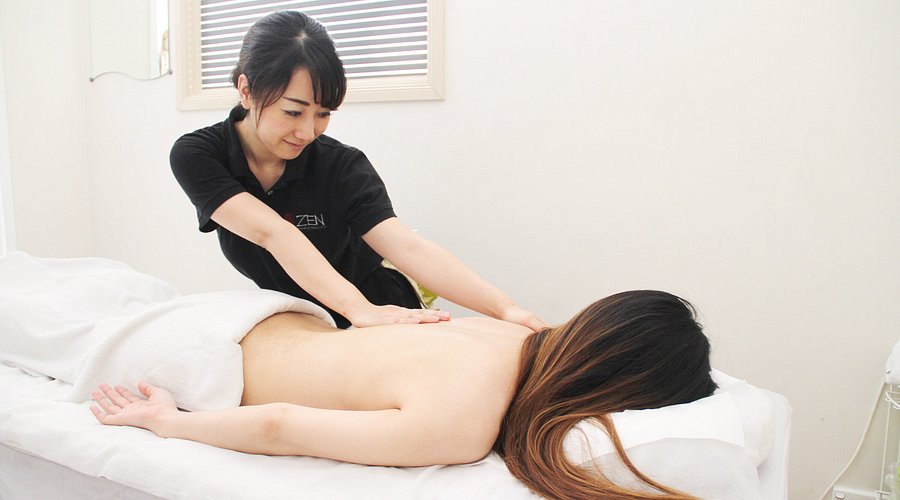
Not knowing what pressure to expect can make it difficult to relax during a first massage in Pattaya. Some visitors stay quiet because they assume discomfort is part of the process. A better starting point is to understand the treatment, explain your preferences and agree that pressure or technique can change at any time during the appointment.
Describe What You Want from the Session
Tell the practitioner whether you want general relaxation, a gentle session or attention to a particular area that feels tense. These are different requests, and a treatment name alone may not communicate them. A full-body booking, for example, does not establish how much time will be spent on your shoulders or whether stretching is involved.
If you are choosing between Thai massage, oil massage and a foot treatment, ask for a description of the actual techniques. Traditional Thai massage commonly includes compression and assisted stretching, while an oil massage involves direct contact with the skin. A foot treatment concentrates on a smaller area, but that does not automatically make its pressure light.
Agree on the scope before the session begins. You can ask for an area to be excluded, decline a stretch or choose a gentler approach. There is no need to select the longest or firmest option to make the visit worthwhile, particularly when you are still discovering what feels comfortable.
Separate Ordinary Tiredness from Symptoms Needing Care
Give an accurate account of any injury, medical condition, recent surgery or medicine that could affect the treatment. Tell the practitioner if you are pregnant or receiving medical care, and obtain clinical advice if suitability is uncertain. Ask about relevant training and experience rather than assuming that every therapist can safely adapt every technique.
Take particular care if you are seeking a massage because of new symptoms after travelling. Unexplained pain and swelling in one leg need urgent medical assessment rather than an attempt to massage the discomfort away. If these symptoms occur with chest pain or breathlessness, seek emergency medical help immediately.
The consultation is also the time to mention irritated skin, product allergies or discomfort with a treatment position. A clear explanation gives the practitioner a chance to suggest an adjustment or postponement. Paying for an appointment does not oblige you to proceed when the service is no longer suitable.
Use Specific Feedback While the Treatment Is Happening
Start with pressure you can comfortably tolerate and ask for changes gradually. Saying that a particular movement feels too strong is more helpful than giving a polite nod when asked whether everything is fine. Describe where the discomfort is and whether you want less pressure, a different position or the technique to stop.
Sharp pain, tingling or numbness should not be treated as proof that the massage is effective. Ask the practitioner to stop and explain what you are feeling. Your preference can also change as the session progresses; agreeing to a technique at the start does not mean you must continue with it.
Privacy and communication should remain straightforward. Before an oil treatment, ask what clothing stays on and how towels or sheets will be used. If language is a concern, agree on simple words or a clear signal for stopping. You should be able to make yourself understood without waiting until the end of the appointment.
Notice Your Response Before Booking Again
Afterwards, give yourself time to assess how you feel and ask about any treatment-specific aftercare. If you felt uncomfortable, tell the practitioner which areas or techniques were involved so that a future session can be adjusted. Seek medical advice for significant or persistent new pain, swelling, numbness or other worrying symptoms rather than assuming they are a necessary stage of recovery.
Judge the visit by your comfort and whether it met the modest aim you agreed at the start. The NCCIH overview of massage therapy explains that evidence varies by condition and that serious adverse effects, although rare, have been reported. A careful practitioner, suitable technique and freedom to speak up provide a sounder basis for another booking than promises that more pressure will produce better results.