
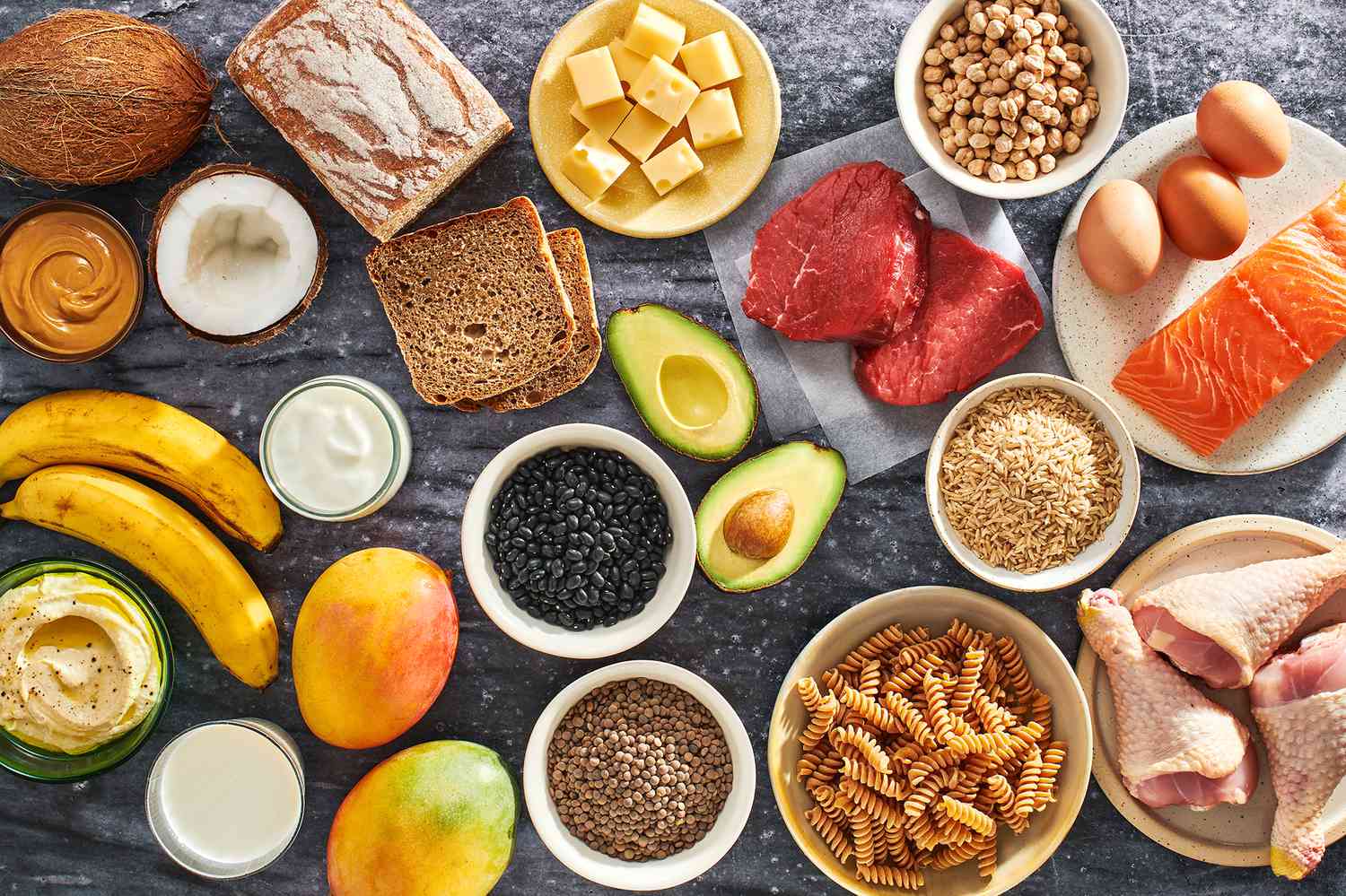
Introduction: Rethinking the Concept of Diet
In a world brimming with fad diets, celebrity-endorsed cleanses, and contradicting nutrition advice, the very word “diet” often evokes feelings of deprivation or restriction. Yet, at its essence, a healthy diet is not about starvation or fleeting trends but about nourishing the body, energizing the mind, and cultivating a sustainable relationship with food. The art of eating well is both timeless and deeply personal, shaped by culture, lifestyle, and individual needs. To that end, here are thoughtful, practical diet tips to help you eat wisely without sacrificing the joy of food.
Start with Awareness: Know What You Eat
Before any meaningful change can occur, one must first understand current habits. Far too often, people underestimate how much mindless eating creeps into daily life—an extra spoonful of dessert here, a handful of chips there.
Begin by:
-
Keeping a food journal for at least a week. Jot down not just what you eat, but when and why.
-
Identifying emotional eating triggers such as boredom, stress, or social pressure.
-
Noticing portion sizes and frequency of snacks.
This simple exercise creates awareness that is invaluable in making intentional changes.
Embrace Whole Foods: Less Processed, More Wholesome
One of the simplest yet most profound diet tips is to favor whole, minimally processed foods over packaged, ultra-processed alternatives. This means filling your basket with ingredients that resemble their natural state.
Opt for:
-
Fresh vegetables and fruits of every color.
-
Whole grains like quinoa, brown rice, and oats.
-
Lean proteins such as legumes, fish, poultry, and eggs.
-
Healthy fats found in nuts, seeds, and avocados.
A good rule of thumb: if your grandmother wouldn’t recognize it as food, reconsider whether it belongs in your pantry.
Master the Art of Portion Control
Healthy eating is not only about what you eat but also how much you eat. In an age of supersized meals and endless snacking, portion control can be the difference between nourishment and overindulgence.
Practical ways to manage portions:
-
Use smaller plates and bowls to naturally limit serving sizes.
-
Serve food in the kitchen rather than from large dishes at the table.
-
Eat slowly, savoring each bite—your brain needs about 20 minutes to register fullness.
-
Listen to your body’s hunger cues instead of eating out of habit.
Hydrate, Hydrate, Hydrate
Often overlooked, hydration is a cornerstone of any balanced diet. The human body is composed of about 60% water, and staying properly hydrated aids digestion, boosts energy, and can even prevent unnecessary snacking—thirst is frequently mistaken for hunger.
Hydration tips:
-
Keep a reusable water bottle within arm’s reach throughout the day.
-
Infuse water with fresh fruit or herbs for a refreshing twist.
-
Limit sugary beverages and excessive caffeine.
-
Aim for at least eight glasses daily, adjusting for climate and activity level.
Plan, But Stay Flexible
Rigid diets rarely last. Sustainable eating patterns thrive on thoughtful planning coupled with realistic flexibility. Meal prepping on weekends can save time and reduce temptation during the week, yet it’s equally important to leave room for spontaneity—life happens, and so do dinner invitations and cravings.
Helpful habits include:
-
Preparing healthy snacks like cut veggies or nuts for easy grab-and-go options.
-
Cooking in batches and freezing portions for busy days.
-
Keeping a list of quick, nutritious recipes that can be whipped up in under 30 minutes.
Mindful Indulgence: Enjoy Treats Without Guilt
Deprivation often leads to bingeing. A balanced diet leaves space for the occasional treat—a piece of dark chocolate, a slice of birthday cake, or a glass of wine. The key is mindfulness and moderation.
Practice mindful indulgence by:
-
Truly savoring treats without distractions.
-
Choosing quality over quantity—a small piece of gourmet chocolate beats an entire bar of mediocre candy.
-
Balancing indulgent meals with lighter options the following day.
Prioritize Plant Power
Modern research consistently highlights the benefits of a plant-forward diet. Increasing your intake of vegetables, fruits, legumes, and whole grains can reduce the risk of chronic diseases, improve digestion, and provide essential nutrients.
Easy ways to eat more plants:
-
Make vegetables the star of your plate rather than a side.
-
Experiment with meatless Mondays or plant-based meals twice a week.
-
Add greens to smoothies for an effortless nutrient boost.
-
Discover global cuisines rich in plant-based dishes, such as Mediterranean or Indian cooking.
Listen to Your Body’s Unique Needs
No single diet fits everyone. Age, genetics, lifestyle, and health conditions all shape individual dietary requirements. Some thrive on higher protein intake, while others feel energized on more complex carbohydrates. It’s wise to consult a registered dietitian or nutritionist when unsure.
Tune in to:
-
How certain foods make you feel—energized, bloated, sluggish?
-
Whether you feel satisfied after meals.
-
Any signs of food sensitivities or intolerances.
Respecting your body’s signals transforms eating from a chore into an act of self-respect.
Sleep and Stress: The Overlooked Diet Factors
Diet does not exist in isolation. Sleep quality and stress levels directly impact eating habits. Poor sleep often fuels sugar cravings, while stress can lead to emotional overeating.
Support your diet with:
-
Consistent, restful sleep—aim for seven to eight hours per night.
-
Stress management techniques like deep breathing, yoga, or journaling.
-
Balanced daily routines that include time for rest and movement.
Conclusion: A Lifelong Commitment to Nourishment
At its heart, a healthy diet is not a short-term fix but a lifelong relationship with food. It is about balance, enjoyment, and nourishing both body and mind. When you choose fresh, vibrant foods, practice mindfulness, stay hydrated, and remain flexible, you build a foundation for health that transcends fleeting trends.
The path to eating well is not paved with perfection but with intention and care—bite by bite, meal by meal.