
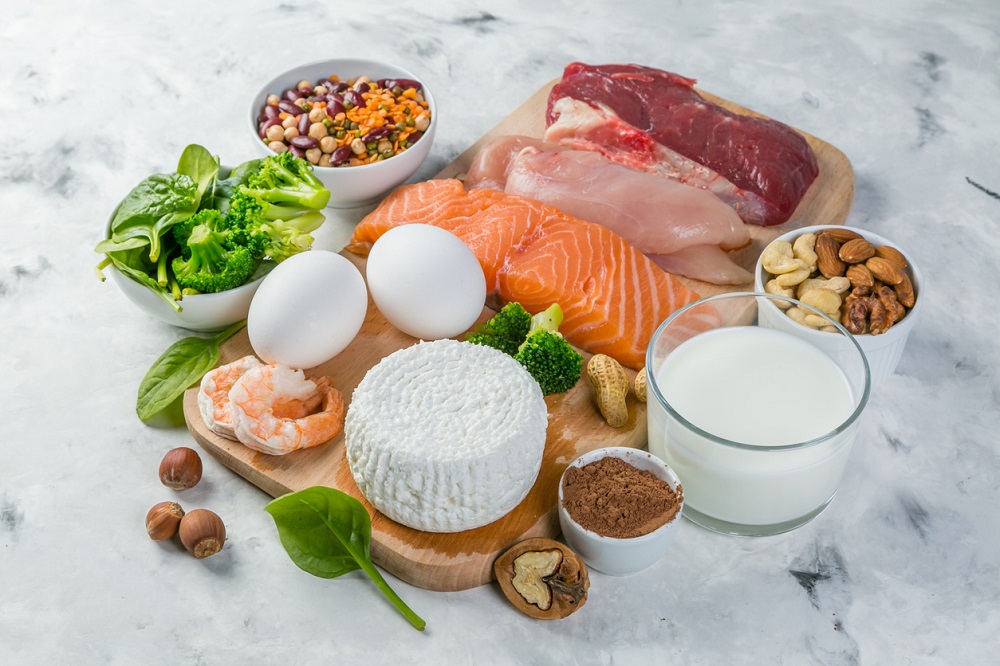
Maintaining an active lifestyle places unique physical demands on the human body. Whether you engage in high-intensity functional fitness, endurance running, competitive sports, or structured resistance training, your physical progress depends heavily on how efficiently your body recovers from exercise-induced stress. While carbohydrates provide primary energetic fuel and healthy fats support endocrine function, protein serves as the essential structural building block for muscle repair, connective tissue integrity, and systemic recovery.
Adopting a high-protein diet tailored for active living requires far more than blindly consuming protein supplements. It involves understanding daily macronutrient requirements, strategically timing nutrient intake around physical exertion, diversifying protein sources, and supporting digestive absorption. By applying structured, evidence-based nutritional principles, active individuals can optimize recovery, preserve lean muscle mass, and sustain high performance over time.
Understanding Protein Requirements for Active Individuals
General dietary guidelines often recommend a baseline protein intake designed merely to prevent deficiency in sedentary populations. However, physical exercise increases amino acid oxidation, accelerates muscle protein breakdown, and demands continuous tissue repair. Consequently, active individuals require significantly higher daily protein intakes to support metabolic adaptation and physical performance.
For individuals engaged in regular exercise, daily protein targets generally range from zero point seven to one point zero grams of protein per pound of target body weight. The exact requirement within this spectrum depends on several individual variables:
- Training Modality: Resistance training and power sports require higher protein allocations to drive muscle protein synthesis and structural adaptations compared to light aerobic activities.
- Caloric Balance: When operating in a caloric deficit for fat loss, protein requirements increase to prevent the breakdown of existing lean muscle tissue for energy.
- Training Volume and Intensity: High-volume athletic training subjects muscle fibers to greater mechanical tension and micro-trauma, increasing overall amino acid requirements for tissue repair.
Establishing your personal daily protein target provides a clear quantitative baseline. Reaching this target consistently ensures your body maintains a positive nitrogen balance, setting the stage for optimal muscle repair and physical adaptation.
Distributing Protein Intake Evenly Across Meals
A common dietary mistake among active individuals is skewing protein intake heavily toward a single evening meal while consuming protein-deficient breakfasts and lunches. The human body does not store excess amino acids in dedicated storage organs for later use the way it stores carbohydrates as glycogen or lipids as adipose tissue.
Maximizing muscle protein synthesis requires providing a steady stream of bioavailable amino acids throughout the waking hours. Research indicates that muscle protein synthesis operates via a refractory mechanism best stimulated by consuming discrete doses of protein spaced three to four hours apart.
Aim to consume twenty-five to forty grams of high-quality protein per meal across three to five meals daily, depending on your total target. Each serving should contain an adequate threshold of leucine—an essential branched-chain amino acid that acts as the primary molecular trigger for muscle tissue synthesis. This balanced distribution maintains continuous cellular repair while preventing digestive overload.
Nutrient Timing Around Exercise Sessions
While overall daily protein intake remains the primary driver of recovery, strategic nutrient timing around workout windows offers distinct performance and recovery advantages for highly active individuals.
The Pre-Workout Window
Consuming a moderate serving of easily digestible protein paired with complex carbohydrates one to two hours before exercise ensures adequate circulating amino acids during training. Having available amino acids in the bloodstream reduces exercise-induced muscle protein breakdown during long or intense workouts, shielding lean tissue from degradation.
The Post-Workout Window
Following intense exercise, muscle tissue exhibits heightened sensitivity to nutrient absorption and amino acid uptake. Consuming twenty to forty grams of rapidly digesting protein within one to two hours post-workout initiates muscle repair and halts exercise-induced catabolism. Pairing post-workout protein with fast-digesting carbohydrates replenishes depleted muscle glycogen stores and triggers an insulin response that helps transport amino acids directly into working muscle cells.
Diversifying Protein Sources for Total Nutrition
Relying exclusively on a single protein source can lead to dietary monotony, potential food intolerances, and missing out on complementary micronutrients. A resilient high-protein diet incorporates a diverse mix of complete animal proteins and complementary plant-based sources.
Complete animal-based proteins naturally contain all nine essential amino acids in optimal ratios for human tissue repair:
- Lean Poultry and Meats: Chicken breast, turkey, lean ground beef, and bison provide dense complete protein along with bioavailable heme iron, zinc, and naturally occurring creatine.
- Seafood and Wild Fish: Salmon, tuna, cod, and shrimp yield high protein alongside essential omega-3 fatty acids that help manage systemic exercise-induced inflammation.
- Eggs and Dairy Products: Eggs, egg whites, Greek yogurt, cottage cheese, and kefir deliver highly bioavailable protein rich in calcium, phosphorus, and vitamin B12.
Plant-based athletes can meet elevated protein requirements by combining varied plant sources—such as lentils, chickpeas, black beans, quinoa, edamame, tofu, tempeh, hemp seeds, and high-protein grain varieties. Combining different plant proteins throughout the day ensures a complete essential amino acid profile.
Utilizing High-Quality Protein Supplements Safely
Whole foods should form the foundation of any high-protein diet because they provide complex matrix nutrients, vitamins, and dietary fiber. However, high-grade protein powders offer a convenient, portable solution for busy active schedules, particularly immediately following intense workouts or while traveling.
When selecting protein supplements, consider the distinct characteristics of common powder types:
- Whey Protein Isolate: A rapidly digesting dairy derivative filtered to remove the vast majority of lactose and fat, providing a clean, leucine-rich amino acid profile ideal for post-workout recovery.
- Micellar Casein: A slow-digesting dairy protein that forms a slow-release gel in the stomach, providing a steady, prolonged release of amino acids over several hours, making it an excellent option before evening sleep.
- Plant-Based Blends: Multi-source plant protein powders combining pea, rice, pumpkin seed, or hemp protein deliver a complete essential amino acid profile that matches dairy-based options in efficacy while remaining gentle on sensitive digestive tracts.
Choose third-party tested supplements that carry certifications verifying product purity, ensuring freedom from banned substances, heavy metals, and undisclosed proprietary fillers.
Supporting Digestive Health and Internal Hydration
Significantly increasing daily protein intake without modifying digestive support can lead to gastrointestinal discomfort, bloating, and sluggish digestion. Protein requires substantial stomach acid and digestive enzyme activity to break down complex peptide bonds into absorbable free amino acids.
To optimize protein digestion and gut transit:
- Increase Dietary Fiber Intake: Pair dense protein meals with fibrous vegetables, berry fruits, seeds, and whole grains to support healthy gut motility and feed beneficial gut flora.
- Maintain High Fluid Intake: Nitrogenous waste products generated during protein metabolism are filtered by the kidneys and excreted via urine. Drinking ample water throughout the day ensures efficient metabolic waste elimination and prevents dehydration.
- Incorporate Probiotic and Fermented Foods: Foods like plain Greek yogurt, kefir, sauerkraut, and kimchi nurture a healthy gut microbiome, enhancing overall nutrient absorption and gut barrier integrity.
Taking a deliberate approach to digestive support guarantees that the extra protein you consume is effectively broken down, absorbed, and utilized for physical repair.
Frequently Asked Questions
Can consuming a high-protein diet cause damage to healthy human kidneys?
Scientific research consistently demonstrates that high-protein diets do not cause kidney damage in individuals with normal, healthy renal function. The kidneys naturally adapt to process nitrogenous waste from increased protein intake. However, individuals with pre-existing kidney disease or compromised renal function should consult a medical specialist before significantly increasing their daily protein intake.
Is it necessary to consume a protein shake within thirty minutes of finishing a workout?
The concept of a strict thirty-minute anabolic window has been largely softened by modern nutritional science. While consuming protein shortly after exercise is beneficial, the critical window extends for roughly one to two hours post-workout, especially if you consumed a protein-rich meal prior to training. Total daily protein intake and consistent meal distribution remain far more important than exact minute-by-minute timing.
How does protein intake support fat loss while maintaining athletic performance?
During a caloric deficit aimed at fat loss, the body is at risk of breaking down muscle tissue for metabolic energy. Consuming elevated protein protects lean muscle mass from being degraded, ensuring that weight loss comes primarily from adipose tissue. Additionally, protein has a high thermic effect and promotes fullness, making it easier to manage appetite while cutting calories.
What are the best high-protein options for active vegetarians and vegans?
Active plant-based individuals can hit high protein targets by incorporating dense options like seitan, organic tofu, tempeh, edamame, lentils, black beans, nutritional yeast, hemp seeds, high-protein plant milks, and specialized plant protein powder blends combining pea and rice protein.
Can eating too much protein in a single sitting be wasted or stored as fat?
While the body can only process a certain amount of amino acids for immediate muscle protein synthesis in a single sitting—typically around twenty to forty grams depending on body size—the remaining protein is not instantly wasted. Excess protein is digested more slowly, used for other biological repair functions, or converted into energy. However, if total daily caloric intake consistently exceeds energy expenditure, excess calories from any macronutrient, including protein, can be stored as body fat.
How can I calculate my exact daily protein target based on my body weight?
To calculate your daily protein target, convert your target body weight into pounds. Multiply that number by zero point seven for moderate physical activity, or by one point zero for heavy resistance training or intense athletic conditioning. For example, a 160-pound individual engaging in intense weight lifting would aim for roughly 160 grams of protein spread throughout the day.
Should I adjust my protein intake on rest days when I do not train?
Protein intake should remain relatively consistent on rest days. Muscle tissue repair, structural adaptation, and glycogen replenishment occur primarily during rest periods over twenty-four to forty-eight hours following intense training. Maintaining your baseline protein intake on non-training days ensures your body has a continuous supply of amino acids required to complete the recovery cycle.