
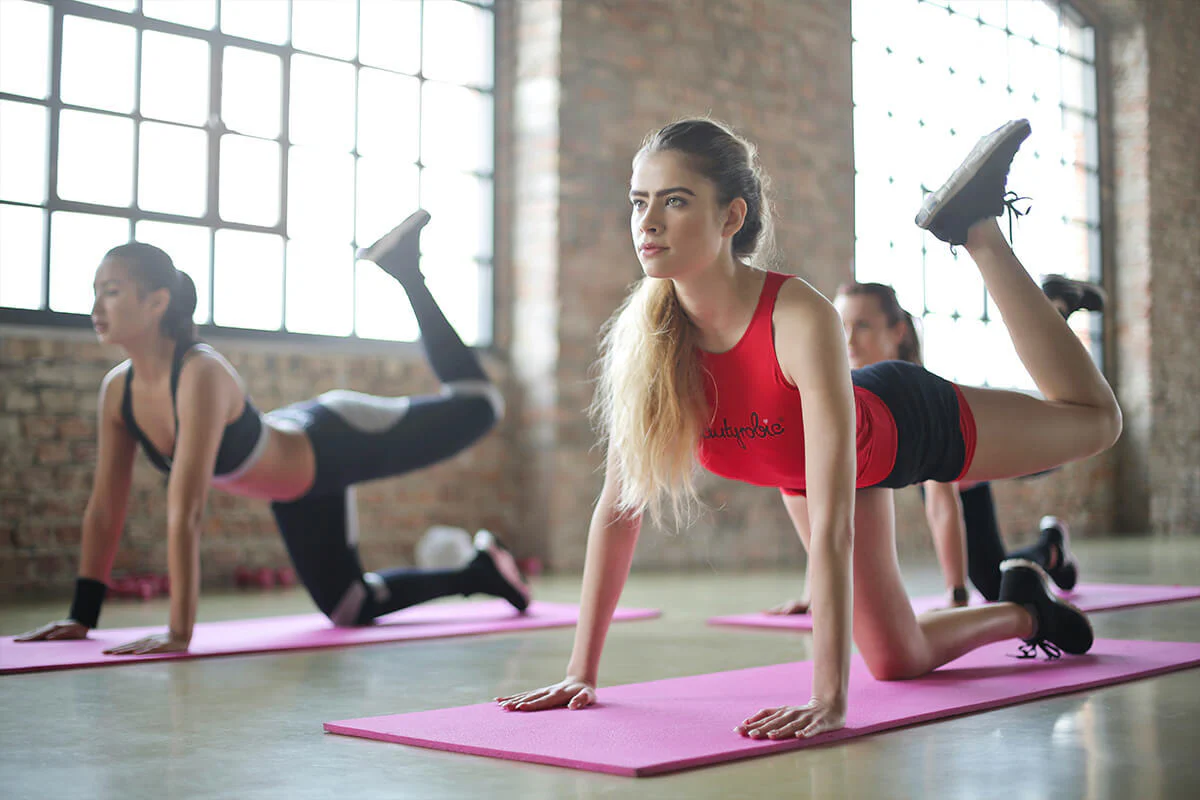
If you have ever left a class feeling stronger but not quite “connected”, the missing piece is often how your pelvic floor, diaphragm, and deep core work together during movement. In Singapore, many people train hard, sit for long hours, and juggle stress, which can quietly disrupt this system. The good news is that a well-designed yogalates singapore practice can rebuild that connection in a way that feels practical, not clinical, and it carries over into daily life.
This article breaks down what pelvic floor and core integration really means, why it matters for both performance and comfort, and how to build it through intelligent sequencing, breath mechanics, and precise alignment, without turning your practice into a medical lecture.
What “pelvic floor and core integration” really means
Most people think “core” equals crunches or holding a plank longer. In reality, your core is a pressure management system. It includes your diaphragm (top), pelvic floor (bottom), transverse abdominis and deeper abdominal layers (front and sides), plus supporting muscles around the spine and hips (back). Integration is the timing and coordination of these parts during breathing and movement.
When the system works well:
-
You can breathe without losing stability.
-
You can brace when needed without gripping all the time.
-
You can generate power from the hips and trunk while staying steady through the spine.
-
You reduce “leaks” in pressure, like doming in the abdomen, low back compression, or pelvic heaviness.
When it is not coordinated, you might still look strong, but you often feel “off”, stiff, or fatigued faster.
Why this matters in Singapore lifestyles
Singapore work culture can mean long desk hours, high mental load, and a lot of walking, commuting, and carrying. These daily patterns influence pelvic floor and deep core function more than people realise.
Common local triggers include:
-
Extended sitting and shallow breathing (chest breathing becomes the default)
-
High stress, which can increase muscle tone and make you clench unknowingly
-
High-intensity training stacked on top of poor recovery
-
Postnatal return to exercise without enough deep-core retraining
-
Long hours in shoes that alter foot mechanics, which can affect the pelvis and trunk
A smart yogalates approach does not just “strengthen”, it restores coordination so your strength shows up when you need it.
The pelvic floor is not only about “squeezing”
A big misconception is that pelvic floor training is always about tightening. Many people already hold too much tension, especially under stress. Integration is about responsiveness: the ability to contract, lengthen, and relax at the right times.
Think of it like this:
-
You need gentle lift and support when you load the body, like standing up, lifting, or jumping.
-
You need the ability to soften and release when you breathe in, when you rest, and when you need mobility.
Over-gripping can create its own issues, such as hip tightness, tailbone discomfort, or difficulty taking a deep breath.
Breath mechanics, the most overlooked “core exercise”
Your diaphragm and pelvic floor move together. On an inhale, the diaphragm descends and the pelvic floor should respond with a natural, subtle lengthening. On an exhale, the diaphragm rises and the pelvic floor can gently recoil and lift.
In yogalates, breath is not just relaxation. It is a coordination tool. A good cue is “exhale for effort”, but the deeper skill is learning to exhale without bearing down, and inhale without losing trunk control.
Signs your breath-core timing is improving:
-
You can exhale during effort without your shoulders hiking up
-
Your ribs expand softly on inhale instead of flaring forward
-
Your lower belly responds with subtle engagement, not hard bracing
-
Your glutes and hip flexors stop doing the job of your deep core
Pressure management, the hidden reason some moves feel hard
Some movements feel “impossible” not because you are weak, but because you are leaking pressure. When pressure is poorly managed, your body looks for stability elsewhere, often in the neck, low back, or hip flexors.
Common signs of poor pressure management:
-
Belly doming or bulging during planks, roll-ups, or leg lowers
-
Holding your breath to get through a rep
-
Feeling pelvic heaviness during core work
-
Low back pinching during extensions or transitions
-
Rib flare, where the ribs push forward and the torso loses stack
A key yogalates goal is to keep the ribs stacked over the pelvis, so pressure distributes evenly and your deep core can do its job.
Alignment that supports the pelvic floor, not fights it
Pelvic floor function is influenced by how you carry your ribcage, pelvis, and head. You do not need a rigid posture, but you do need a workable “stack” most of the time.
Practical alignment checkpoints:
-
Ribs over pelvis, not jutting forward
-
Pelvis neutral-ish, not aggressively tucked or arched
-
Head balanced over shoulders, not pushed forward
-
Weight spread through the tripod of the foot (heel, big toe base, little toe base)
This matters because the pelvic floor is part of a pressure system. If your ribcage is flared and your pelvis is tilted, pressure tends to push downwards, making “engagement” cues feel confusing or ineffective.
How yogalates blends mobility and control for better integration
Pure strength work can sometimes encourage bracing. Pure stretching can sometimes create instability. Yogalates sits in the sweet spot, building control through range.
What makes yogalates especially useful for integration:
-
Slow transitions that reveal compensation patterns
-
Breath-led movement that trains timing
-
Emphasis on spinal articulation with control, not momentum
-
Balanced sequences that train hips, trunk, and shoulder girdle together
-
Options to scale intensity without losing quality
This is why many people feel more “put together” after consistent practice, even if they are also doing other training.
Movement patterns that build deep core connection
Here are patterns that tend to improve pelvic floor and core integration when taught with good cueing and progressions.
1) Supine breathing with rib control
Lying on your back may look basic, but it is where many people learn to stop gripping. Focus on rib expansion and a smooth exhale that gently narrows the waist without forcing.
Helpful cues:
-
Inhale into the sides and back of the ribs
-
Exhale as if fogging a mirror, then softly narrow the lower ribs
-
Feel a gentle lift through the pelvic floor, not a hard squeeze
2) Dead bug style progressions with slow levers
This trains stability while limbs move. The goal is keeping ribs and pelvis organised while breathing continuously.
Quality markers:
-
Lower back stays long and stable, not jammed into the mat
-
Ribs do not pop up
-
You can exhale through the hardest portion of the movement
3) Controlled spinal articulation
Roll-downs, bridges, and segmental movements teach coordination between breath, pelvis position, and trunk control.
Common mistake:
-
Using glutes and hamstrings to “power through” while the trunk disconnects
4) Side-lying and lateral chain work
The pelvic floor also responds to how your hips and lateral trunk stabilisers work. Side work can be a game-changer for people who feel pelvic instability.
Look for:
-
Stable pelvis while the top leg moves
-
Ribs staying stacked rather than rotating open
5) Loaded hinge patterns with breath timing
Hinges train you to use hips and trunk together. When combined with exhale timing, it supports pelvic floor responsiveness in real-world tasks like lifting and carrying.
Common mistakes that block progress
Even committed practitioners can plateau if these habits sneak in.
-
Over-bracing all the time: If your abdomen is always hard, your diaphragm movement reduces, and the pelvic floor may become less responsive.
-
Sucking in the belly: This often lifts the ribcage and creates tension, rather than true deep-core function.
-
Butt tucking aggressively: Over-tucking can limit hip function and increase pelvic floor tension.
-
Chasing burn over control: Deep integration often feels subtle, especially at the start.
-
Holding breath during effort: Breath holds spike pressure. Better to scale the move and keep breathing.
Who benefits most from this focus
Pelvic floor and core integration is not only for postnatal clients. It is useful for many common situations in Singapore.
You might benefit if you:
-
Sit long hours and feel stiff hips or a tight lower back
-
Do HIIT, running, or strength training and want better trunk control
-
Feel “heavy” or unstable through the pelvis after long days
-
Get neck and shoulder tension during core work
-
Are returning to exercise after pregnancy or surgery (with medical clearance)
-
Want better balance, posture, and movement efficiency
If you have pain, ongoing pelvic symptoms, or concerns like incontinence or pelvic heaviness, it is worth speaking to a qualified women’s health physiotherapist for personalised guidance alongside training.
Building a realistic weekly approach
Consistency beats intensity for integration. A practical rhythm is 2 to 4 sessions per week, with one session focused on technique and breath quality, and another on progressive load and flow.
A simple structure that works well:
-
5 to 8 minutes breath and rib mobility
-
10 to 15 minutes deep core sequencing (slow, controlled)
-
15 to 25 minutes integrated flow and strength patterns
-
5 minutes downshift, including longer exhales and gentle hip release
This approach helps you build skill first, then layer intensity safely.
How good coaching changes everything
Pelvic floor and deep-core work is subtle. The right coaching can help you find the difference between:
-
engaging and gripping
-
stacking and stiffening
-
challenge and strain
A good class environment also normalises scaling. Using blocks, changing lever lengths, or reducing range is not “making it easier”, it is choosing the version that trains the correct pattern.
Later in your practice, if you want structured progressions and careful cueing in a supportive setting, exploring a well-designed class pathway at Yoga Edition can make the learning curve much smoother, especially if you value technique as much as the workout.
Small daily habits that support pelvic floor and core function
Your practice improves faster when your daily habits support the same system.
Try these:
-
Take 3 slow breaths before your first coffee, focusing on rib expansion
-
During desk work, do mini resets every hour, unclench jaw, soften ribs, stack gently
-
Exhale during effort in daily life, like standing up or lifting a bag
-
Walk with a relaxed upper body, letting arms swing, and breathe low and wide
-
Avoid “holding in” your stomach all day, it reduces diaphragm movement
These are small, but they compound quickly.
FAQ
Q: How do I know if I am gripping my pelvic floor instead of integrating it?
A: Gripping often feels like constant tension, sometimes with tight hips, a clenched jaw, shallow breathing, or a “stuck” feeling in the lower belly. Integration feels responsive, you can engage during effort and relax when you inhale or rest. If you are unsure, scale the movement, slow the breath, and focus on softening on inhale.
Q: Can men benefit from pelvic floor focused yogalates work?
A: Yes. Men also have pelvic floors and can experience poor pressure management, back discomfort, or hip tightness linked to core timing. Training the diaphragm, deep abdominals, and pelvic floor as a coordinated system can improve stability, breathing efficiency, and overall movement quality.
Q: Should I avoid core exercises if I notice belly doming during effort?
A: You do not need to avoid core work completely, but you should change the exercise or reduce the lever so you can maintain rib and pelvis control while breathing. Doming is a sign the strategy needs adjusting, not that you are “bad at core”. If doming persists even with regressions, consider professional guidance.
Q: Is this kind of training helpful for runners and cyclists?
A: Very much. Endurance athletes often develop strong legs while the trunk becomes less responsive under fatigue. Core and pelvic floor integration can support better posture under load, reduce compensations in the lower back and hips, and improve breathing rhythm during longer efforts.
Q: What is the best time of day to practise for better pelvic floor awareness?
A: Many people feel better awareness earlier in the day, before fatigue and stress build up. That said, a short evening session with longer exhales can be great for downshifting. The best time is the one you can do consistently, with enough focus to move slowly and breathe well.
Q: Can stress alone affect pelvic floor tension even if I exercise regularly?
A: Yes. Stress can increase baseline muscle tone, including through the pelvic floor, jaw, and shoulders. You might be “strong” but still feel tight or disconnected. Breath-led sessions, longer exhales, and reducing constant bracing can help restore normal responsiveness.
Q: If I am postnatal, how soon can I return to yogalates?
A: Timing varies. It depends on delivery, recovery, symptoms, and medical guidance. Many people start with gentle breath and core reconnection before progressing to stronger flows. If you have any pelvic heaviness, pain, or leaking, it is best to get clearance and guidance from a qualified professional so your return is safe and confident.