
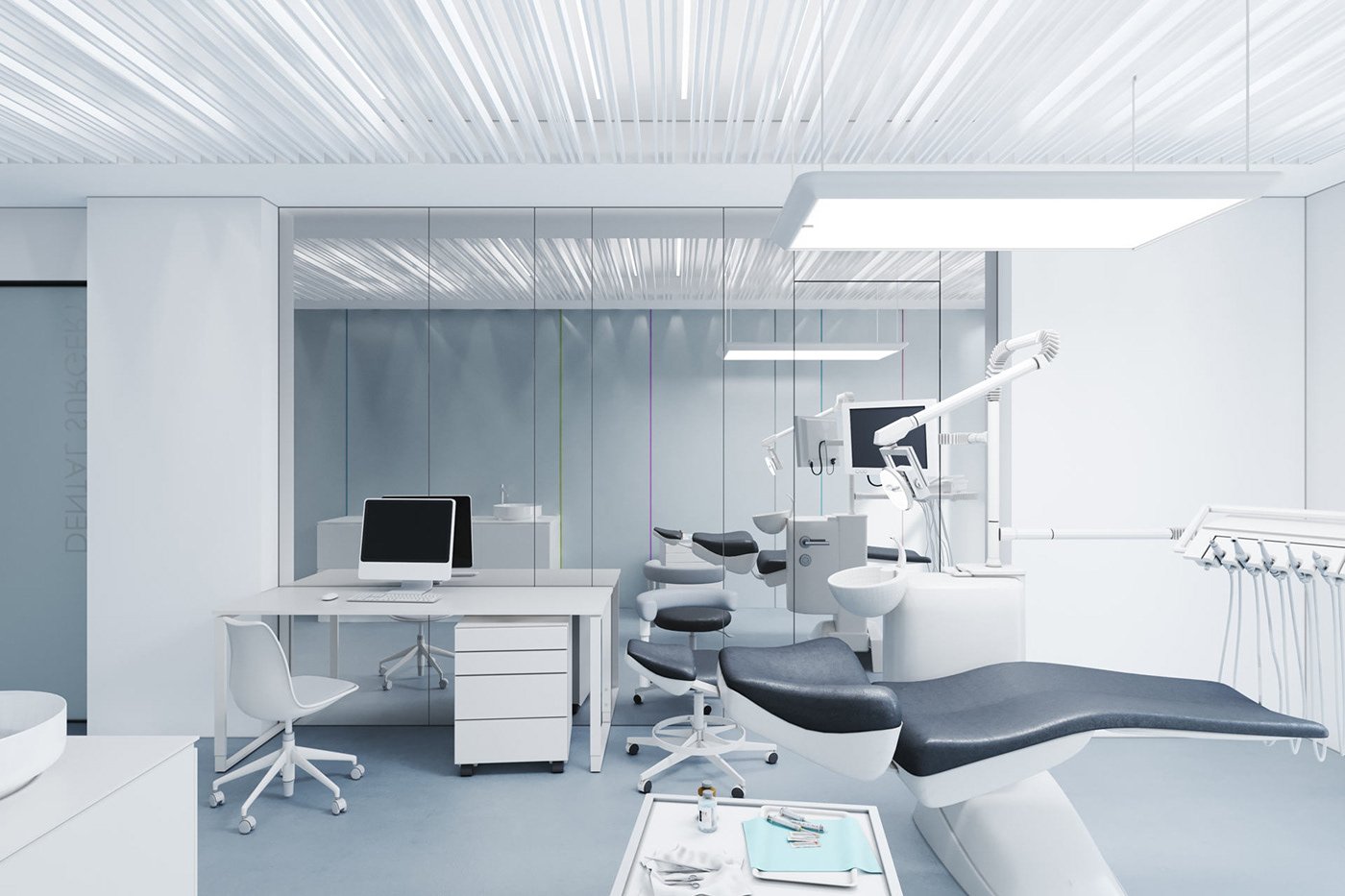
Introduction: Clinics as Cornerstones of Modern Healthcare
In an era where healthcare has become both a technological marvel and a human necessity, the humble clinic remains one of the most critical pillars of medical care. While sprawling hospitals and research centers often capture headlines, it is the local clinic that provides everyday people with accessible, timely, and compassionate medical attention. Clinics bridge the gap between community and advanced healthcare, weaving together preventive care, early intervention, and ongoing treatment into the fabric of daily life.
The Evolution of Clinics: From Modest Practices to Comprehensive Care Hubs
The concept of a clinic has its roots in modest neighborhood doctor’s offices. Decades ago, a clinic often meant a small room with a single physician who knew every patient by name. Over time, clinics have evolved into sophisticated multi-specialty centers equipped with advanced diagnostics, telemedicine, and specialized services.
Today’s clinics can be found in countless forms:
-
Primary Care Clinics: The first stop for general health concerns, check-ups, and preventive care.
-
Specialty Clinics: Focused on specific medical fields such as dermatology, cardiology, or orthopedics.
-
Urgent Care Clinics: Providing immediate attention for non-life-threatening conditions.
-
Community Health Clinics: Serving underserved populations, often with sliding fee scales.
-
Walk-In Clinics: Offering convenient access without the need for appointments.
This evolution reflects the changing needs of societies that demand both accessibility and high standards of care.
Why Clinics Matter: Beyond Basic Treatment
A well-run clinic is far more than a place for injections and prescriptions. It acts as a sanctuary of trust and continuity. Unlike the often-impersonal experience of large hospitals, clinics build lasting relationships with their communities.
Key contributions of clinics include:
-
Preventive Care: Routine screenings, vaccinations, and health education help detect conditions early and avoid serious illnesses.
-
Chronic Disease Management: Patients with diabetes, hypertension, or asthma benefit from regular monitoring and adjustments to treatment plans.
-
Mental Health Support: Many modern clinics integrate mental health services, recognizing the profound link between physical and psychological well-being.
-
Community Health Promotion: Clinics often lead local health drives, from vaccination campaigns to awareness workshops on nutrition or substance abuse.
A Patient’s Perspective: Comfort, Familiarity, and Access
For many patients, visiting a clinic offers an experience of familiarity. The same nurse greets them, the doctor recalls their medical history without rifling through endless charts, and the waiting room is close to home. This consistency fosters trust—arguably the most vital ingredient in effective healthcare.
Accessibility also plays a significant role. Unlike major hospitals that might be miles away and daunting in scale, clinics are woven into neighborhoods, often open during evenings or weekends, making them convenient for busy families and workers.
Inside the Modern Clinic: A Symphony of Roles
Behind the calm, reassuring environment of a good clinic is a team of dedicated professionals working in sync. A modern clinic typically comprises:
-
Physicians and Specialists: Diagnosing and treating conditions with expertise.
-
Nurses and Nurse Practitioners: Providing care, education, and vital follow-up.
-
Medical Assistants: Managing administrative tasks and patient flow.
-
Technicians: Conducting lab tests, X-rays, or other diagnostic services.
-
Mental Health Counselors: Addressing emotional and psychological needs.
-
Reception and Support Staff: Ensuring smooth appointments and patient comfort.
This collaboration allows clinics to function efficiently while maintaining a personal touch that patients deeply value.
Technology in Clinics: Balancing Innovation with Human Connection
One of the hallmarks of the modern clinic is its embrace of technology. Digital records have streamlined patient management, telemedicine connects patients to care from their homes, and advanced diagnostic equipment allows quick, reliable results. Yet, the true art of running a clinic lies in blending these technological advances with a genuine human touch.
No app can replace the empathy of a doctor who listens intently, nor can automated reminders replicate the reassurance of a nurse explaining a procedure patiently. The best clinics balance efficiency with compassion.
Challenges Clinics Face: Funding, Staffing, and Community Needs
Running a clinic is not without challenges. Many clinics, particularly those in rural or low-income areas, struggle with limited funding and staffing shortages. Recruiting skilled practitioners willing to serve in remote communities can be an uphill battle.
Additionally, clinics often bear the responsibility of educating communities about public health issues—a role that demands time and resources beyond routine medical care. Nevertheless, their commitment remains unwavering, as they are often the first and only point of care for countless families.
The Future of Clinics: Community-Centered, Patient-First
Looking ahead, the future of clinics is promising. Trends suggest a continued shift toward integrated care, where physical health, mental health, and social well-being are addressed under one roof. Mobile clinics and telemedicine will extend care to the remotest corners, ensuring that no one is left behind.
Moreover, the growing focus on preventive care and lifestyle diseases means clinics will play an even greater role in educating communities about nutrition, exercise, and mental resilience.
Conclusion: The Unsung Guardians of Public Health
While they may not have the glamour of large hospitals or the renown of major research institutions, clinics are the unsung guardians of public health. They are where coughs are soothed, wounds are dressed, early signs of disease are caught, and where millions find reassurance in the gentle hands of dedicated caregivers.
In a world that often feels increasingly complex and impersonal, the local clinic remains a beacon of hope and human connection—quietly protecting the well-being of communities, one patient at a time.