
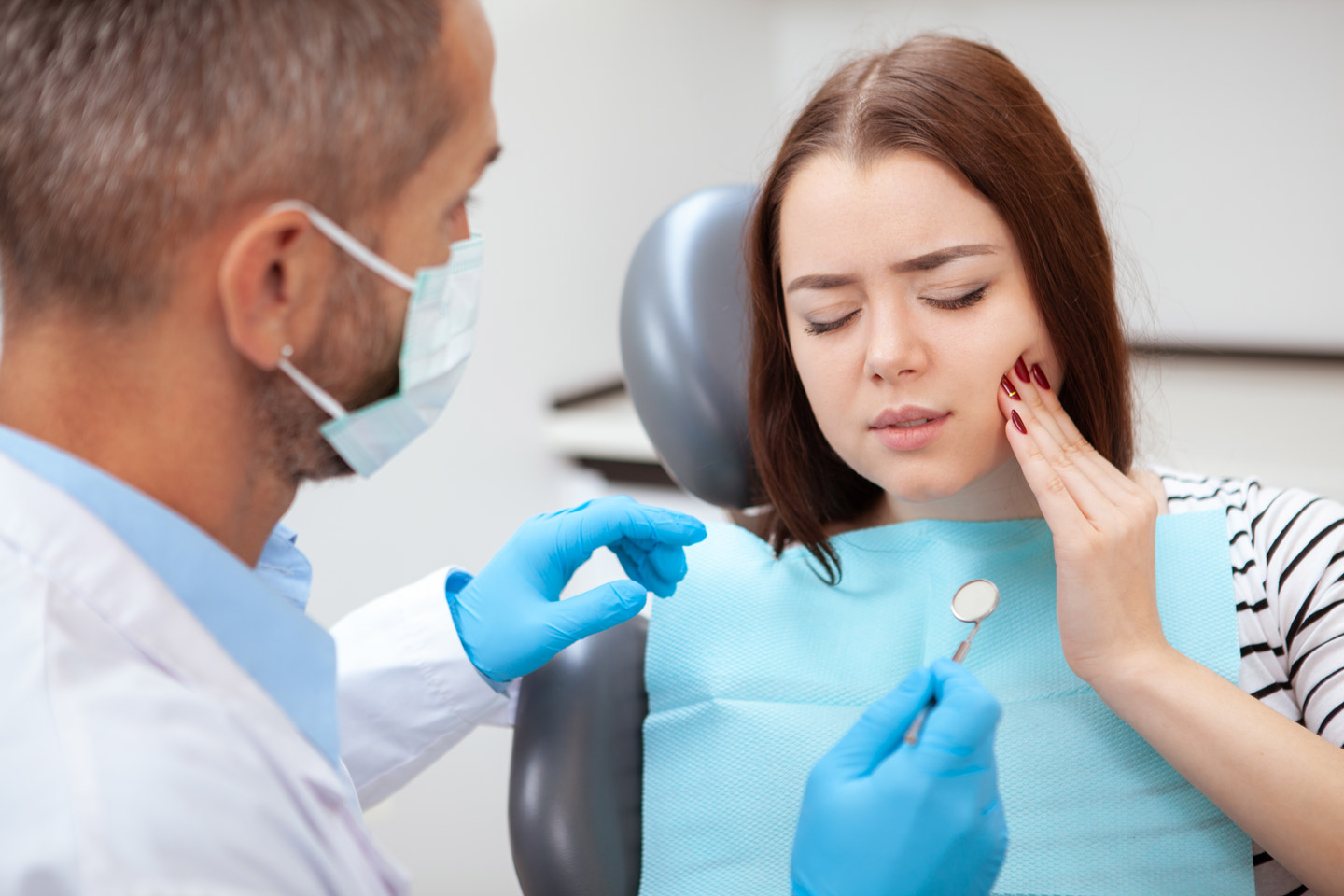
Not every toothache warrants running to your dentist at two in the morning. But some, most certainly, do. The sad reality is that most people cannot discern a difference until they find themselves in the moment, questioning whether pain is expected or if their tooth will fall out. The need for emergency dental care is surprisingly common—but people are misinformed about what warrants a dental emergency and what can wait until Monday morning.
When It’s Obvious—Time Sensitive Emergencies in the Dental World
There are many very obvious situations of dental emergencies. If someone clocks you in your mouth and your tooth is wholly knocked out, that’s an urgent matter. There’s about an hour’s time frame to put the tooth back in your mouth, so the longer it’s kept moist for professional treatment, the better. Hold it by the crown, rinse it with water (not scrubbing) if it’s dirty, and try to place it back in the socket. If that’s too uncomfortable, keep it in the cheek/gum area or a small container with milk.
In addition, if excessive bleeding occurs and won’t stop after 10-15 minutes of constant pressure it’s an obvious emergency, excessive bleeding should rarely come about but if it does, it’s cause for concern. Usually, excessive bleeding happens immediately after an injury to the mouth, but it can occur post-dentist if something goes awry. Furthermore, if excessive swelling occurs in the face, hindering breathing or swallowing—it’s obvious as well. Excessive swelling oftentimes indicates infection and many people are unaware of how critical that can be.
When Does Pain Become An Emergency?
This is where things get dicey. Pain from a tooth is not fun, but when is it an emergency? For some, it’s hard to tell. When pain is emergency-worthy, it’s throbbing and other symptoms are involved.
Abscesses are grotesque examples of dental emergencies that some hope don’t exist. An abscess is basically an infection pocket. Painful bumps and swelling occur along the gumline. These types of infections can spread to someone’s jaw/neck or travel from the mouth to other areas if left untreated. When someone feels pain radiating towards their ear or one side of the jaw without certainty of why it hurts, it’s usually from an abscess.
When pain exceeds over-the-counter medication’s help—that’s a sign from your body suggesting something deeper is wrong. If someone needs emergency dental care, an Emergency Dentist in Cannington provides support when regular dentists might not be open.
Where The Grey Area Lies
Cracked or broken teeth are a grey area. Chips that aren’t hurting anyone else can wait a few days for additional help, but breaks that expose inner workings need faster treatment. When things break off far enough to expose nerves, immediate treatment is necessary—the nerve will be in extreme pain and take infection into consideration. Regardless of whether it hurts or not, a broken tooth cannot be neglected.
Lost fillings/lost crowns are also part of this category—annoying—but emergencies? Not usually unless extreme pain accompanies their loss. Once they’re exposed to air (sensitive areas feeling sharp pain with hot/cold substances), fillings become time-sensitive again and the remaining portion of their root begs for attention, otherwise complications can occur.
What Emergency Services Actually Do
Emergency dentists do not act as conventional appointments. Instead of using an emergency situation to get everything “fixed,” the aim is to address the most urgent situation at hand and relieve pain best as possible. For example, if someone has an overwhelming infection, most likely antibiotics will be prescribed—but if it’s extreme pain in one tooth, that will be worked on
What You Can Do in the Meantime
Until someone figures out there’s a problem and makes it to the dentist, it’s like an eternity. While nothing can substitute properly trained professionals, there are plenty of ways people can alleviate symptoms until they get help.
For example:
If swelling occurs, rinse warm salt water for pain relief/rinsing; rinse warm water and apply cold to outside of your face for reduced swelling concerns; ibuprofen works best as OTC pain relievers (follow dosing). But DO NOT place aspirin directly onto your gums for it will create burns. If you have a tooth knocked out, avoid chewing on that side until someone helps.
Why People Hesitate—and Why It Hurts Them
Most people hesitate receiving emergency dental care due to financial factors. While this makes sense—an infection rectified sooner would just require antibiotics/filling but rectified later requires extraction/root canal—it doesn’t help anyone feel better sooner than later. Emergency care costs much less than more invasive care after dental issues become apparent months down the line.
People assume they’ll be tough enough until their dentist has time—however nothing gets better on its own when something mouths are made of during a dental emergency. That infection won’t go away on its own—and that tooth can’t knock itself back in.
Always Call!
When in doubt, give an expert a call! Many emergency dentists will spend time on the phone understanding what’s going on. Many professionals would rather have you call with questions than feel devastated at home with something they could easily help rectify. Go with your gut—it probably feels off for a reason! Dental health impacts overall personal health more than people give credit to.