
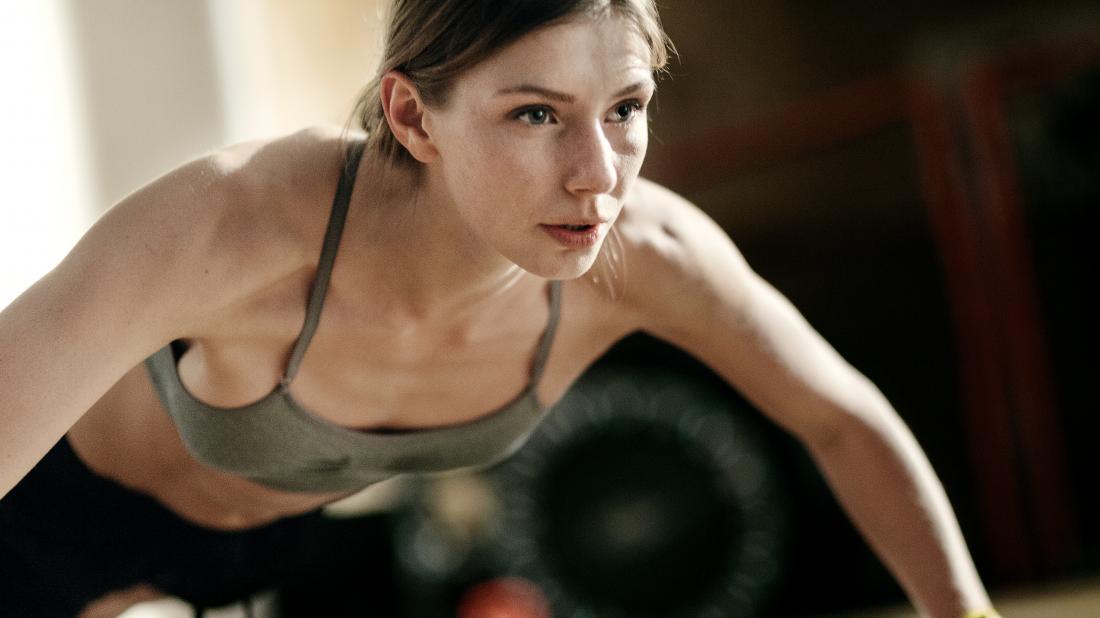
Why women benefit uniquely from HIIT
High-intensity interval training (HIIT) is not only about quick calorie burn or improved cardio fitness. For women, it plays a deeper role by supporting hormonal balance, bone strength, metabolic health, and overall longevity. Whether you are a working professional balancing career and family or someone looking to age actively, structured fitness HIIT training provides targeted benefits that align with the unique physiological needs of women.
Understanding female hormones and HIIT
Women experience monthly cycles, pregnancy, and eventually menopause, all of which influence energy levels and recovery. HIIT, when properly timed and modified, can complement these hormonal phases.
Menstrual cycle phases and training
-
Follicular phase (Day 1 to 14): Energy levels often rise, making this a good time for higher-intensity HIIT sessions.
-
Ovulation (around Day 14): Peak strength and stamina can be utilised for sprints, jumps, and challenging circuits.
-
Luteal phase (Day 15 to 28): Energy may decline, so shorter intervals and more active recovery work best.
-
Menstrual days: Low-impact or scaled-back HIIT can be helpful, but listening to your body is essential.
Hormonal responses to HIIT
-
Insulin sensitivity improves, lowering risk of type 2 diabetes.
-
Growth hormone and testosterone rise, which supports lean muscle maintenance.
-
Cortisol management: Short, structured HIIT regulates stress hormones when balanced with adequate recovery.
HIIT for strength and bone health in women
One of the biggest concerns for women is bone density, especially as they approach menopause. Osteoporosis and fractures are more common in women due to hormonal changes that affect calcium absorption. HIIT, with its strength-building and impact-based intervals, helps counter these risks.
-
Bone stimulation: Jump squats, plyometrics, and step-ups strengthen bone structure.
-
Lean muscle preservation: Resistance-based HIIT slows age-related muscle loss.
-
Joint support: Stronger muscles reduce strain on knees, hips, and back.
Tailoring HIIT for different life stages
Young adults
-
Focus on performance, agility, and athleticism.
-
Combine sprints, bodyweight training, and explosive movements.
During pregnancy
-
With medical clearance, low-impact HIIT can help maintain stamina.
-
Use modified moves such as step-ups, seated band pulls, and wall push-ups.
-
Avoid deep twisting and high-risk contact drills.
Postpartum recovery
-
Begin with core stability and pelvic floor-friendly exercises.
-
Use controlled intervals with longer rest periods.
-
Gradually reintroduce higher intensity as strength returns.
Perimenopause and menopause
-
Use HIIT to manage weight and reduce abdominal fat.
-
Prioritise resistance intervals to preserve lean muscle.
-
Include plyometric drills carefully for bone density, with attention to joint safety.
Mental health benefits for women
Stress, anxiety, and hormonal fluctuations often affect women disproportionately. HIIT provides both a physical and mental reset.
-
Mood elevation: Endorphins released during intervals improve emotional stability.
-
Cognitive clarity: Increased blood flow to the brain sharpens focus.
-
Resilience: Completing tough intervals builds confidence that carries into daily life.
Practical weekly structure for women
A balanced HIIT plan should consider recovery, variety, and life demands.
-
2 to 3 HIIT sessions per week
-
Alternate high-impact days with low-impact cardio, yoga, or strength training
-
Prioritise sleep and hydration, especially in humid climates like Singapore
-
Rotate focus areas, such as cardio one day and resistance the next
Sample weekly plan
-
Monday: 25-minute HIIT cardio (bike, sprints, burpees)
-
Wednesday: Resistance HIIT (weights, squats, push-ups, lunges)
-
Friday: Mixed format with cardio and strength circuits
-
Sunday: Optional active recovery, such as light mobility or walking
Nutrition support for women doing HIIT
-
Iron-rich foods: To counter monthly losses, include spinach, lean red meat, lentils, and fortified cereals.
-
Calcium and vitamin D: Essential for bone density, from dairy, fish, or fortified alternatives.
-
Protein: Spread evenly across meals to maintain muscle repair.
-
Hydration: Pay special attention during premenstrual days to reduce bloating and fatigue.
Community and motivation
For many women, the social aspect of exercise plays a big role in consistency. Group HIIT classes provide camaraderie, accountability, and encouragement. Structured programmes at TFX Singapore offer expert guidance, safe progressions, and an environment where women can challenge themselves confidently.
FAQs on HIIT and Women’s Health
Can HIIT regulate irregular periods?
While not a direct cure, regular HIIT can reduce stress and stabilise weight, which sometimes improves menstrual regularity. Always seek medical advice for underlying issues.
Is HIIT safe during pregnancy?
Yes, with clearance from a doctor. Choose low-impact movements, avoid overheating, and prioritise safety for both mother and baby.
Does HIIT worsen hormonal imbalance in women?
No, when done moderately. Excessive high-intensity training without rest can disrupt cycles, but 2 to 3 well-structured sessions per week typically support hormonal health.
Can HIIT help with menopause symptoms?
Yes. It reduces hot flashes, manages weight gain, and protects bone density. The mental health benefits also counter mood swings and anxiety.
Do women need more recovery than men?
In some cases, yes. Hormonal changes during certain cycle phases can increase fatigue. Adjust rest intervals and allow flexibility in the training plan.
Is HIIT effective for women who want to build strength, not just lose weight?
Absolutely. Resistance-based HIIT builds lean muscle and strength, not only burns calories. With added nutrition support, it enhances both body composition and performance.
What if I feel overly tired after HIIT sessions?
This usually indicates under-recovery. Add rest, reduce the number of rounds, or ensure your meals provide enough protein and carbohydrates.